
Common Ground Pathways
Self and Team Awareness for Intact Team Development Under Pressure
About
Common Ground Pathways is a facilitated group process for intact teams who want to strengthen how they think, relate, and take responsibility together under pressure.
The work develops self-insight and team insight as a foundation for trust, clarity, and more deliberate ways of working. It supports teams to notice how patterns show up in real time, in communication, decision-making, accountability, and shared responsibility, and to respond with greater awareness rather than defaulting to familiar habits when things get busy.
Pathways begins with awareness and understanding, and moves deliberately into the impact space, where teams practise changing how they engage, hand over responsibility, and hold one another accountable in everyday work.
This is intact team culture work, designed for teams across an organisation, not only formal leadership teams.
What This Work Builds
Pathways supports teams to:
develop self-awareness and shared team awareness under pressure
build trust through a common language for what is happening between people
notice habitual patterns such as over-functioning, avoidance, control, or silence
practise more conscious ways of engaging and working together
strengthen shared responsibility and mutual accountability
The focus is on building the conditions for effective teamwork.
How the Pathway Works
Pathways is delivered as a four-session facilitated series with the same intact team, allowing trust, insight, and learning to deepen over time.
Each pathway is tailored to the specific culture, context, and dynamics of the team, based on what is actually happening in their day-to-day work.
Sessions introduce focal themes related to:
awareness under pressure
choice and responsibility
team dynamics and working patterns
real-world application
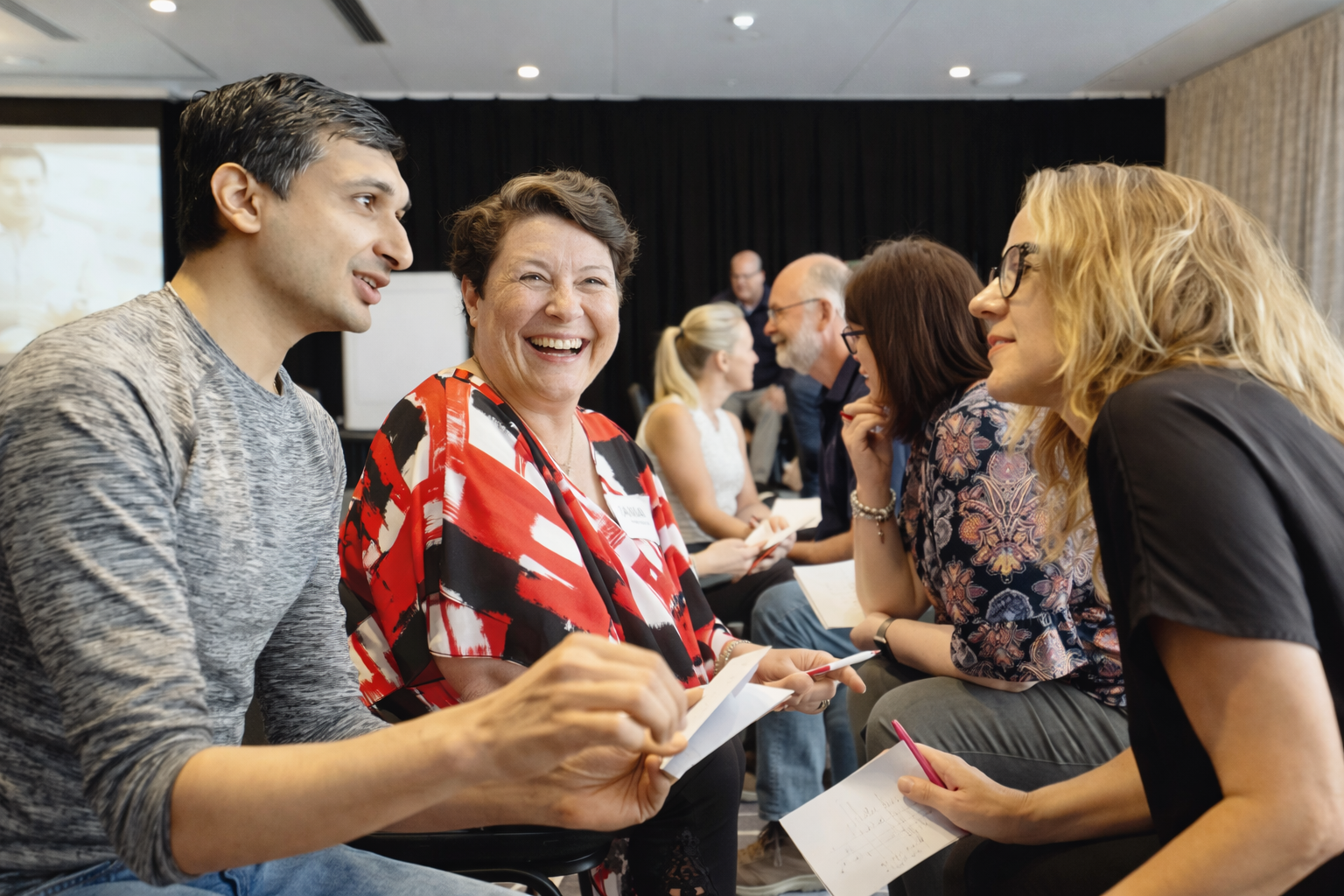
Sessions combine quiet thinking time, high-quality listening, facilitated dialogue, and reflection on lived team experience between sessions.
The environment is professionally facilitated and psychologically informed, supporting clarity, steadiness, and honest engagement without blame or performance pressure.
Structure
Four facilitated sessions
90 minute sessions
Same intact team throughout
Group size intentionally limited to support depth and psychological safety
What This Supports (Impact in Practice)
Teams often experience:
clearer communication under pressure
improved handover and sharing of responsibility
greater confidence in holding one another accountable
reduced unspoken strain and friction
more deliberate responses in challenging moments
This work supports teams to translate awareness into practice, especially when workload and pressure increase.
Who This Is For
Common Ground: Pathways is designed for:
intact teams across an organisation
leadership, functional, and cross-functional teams
teams who have completed Common Ground Foundation
organisations seeking culture development grounded in awareness, responsibility, strengths, appreciation and trust
Outcomes
It builds self and team awareness and supports teams to practise new ways of working together under real conditions, strengthening trust, emotional intelligence, and accountability over time, and supporting steadier, more effective collaboration under pressure.
Position in the Leadership System
Common Ground Pathways sits across the Insight → Impact layers of the leadership system.
Prerequisite
Completion of Common Ground: Foundation is required to participate in Common Ground: Pathways.
This ensures a shared language, level of awareness, and readiness within the group.
Why This Work Exists
After many years working with leaders, teams, and individuals, one pattern became clear to me:
Real change doesn’t come from more information – it comes from insight, impact, and ripple.
People want to understand themselves more deeply, make conscious choices about how they live and lead, and do so alongside others who value depth, integrity, and growth.
This work evolved from facilitating these processes with hundreds of people within organisations, and recognising the need to make them available more broadly, to support individuals, leaders, and communities in living and leading well.